How to Beat Summer Water Retention: Tips for Puffy Hands and Swollen Feet

When the warm weather hits Sidcup or Chislehurst, do your shoes suddenly feel tighter, or do your rings get trickier to remove? You’re not alone. Heat-related fluid retention—commonly known as heat edema—is a frequent issue during the warmer months.

Summer heat causes our blood vessels to dilate (expand), making it easier for fluid to seep into surrounding tissues and pool in our extremities—especially our ankles, feet, and hands.

While heat-related swelling is common and usually harmless, it can be deeply uncomfortable. Here is a practical guide to why summer swelling happens, how to manage it naturally at home, and how hands-on osteopathy in Chislehurst & Sidcup can support your recovery.

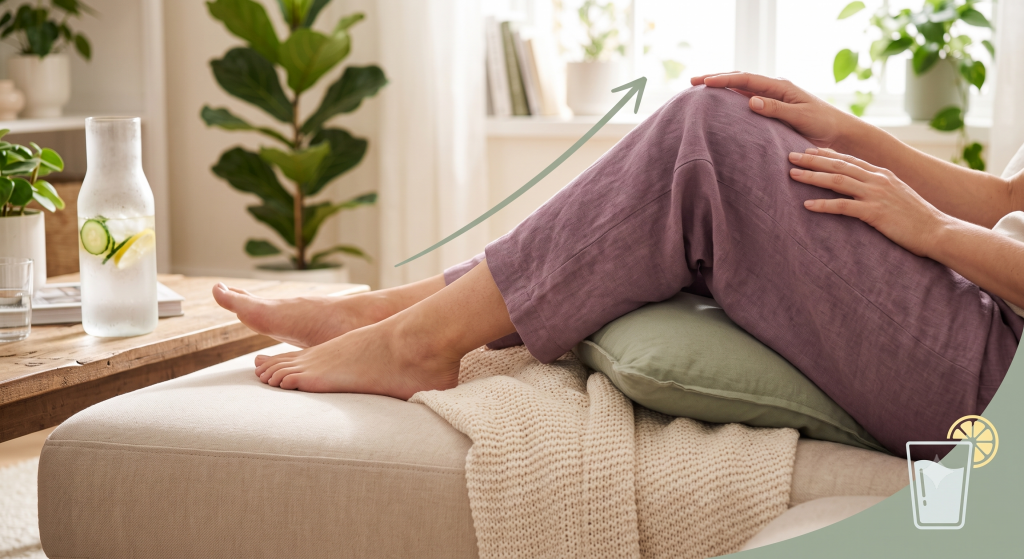
A person resting on a couch elevating swollen legs with a sage green pillow, demonstrating upward circulation and home water retention relief tips from Osteo & Therapy Hub in Sidcup.

A Quick Health Check First

Summer heat is a frequent trigger for mild fluid retention, but sudden, severe, or asymmetrical swelling (e.g., in only one leg) can indicate an underlying medical condition or a medication side effect. If you are pregnant, experiencing sudden swelling, or taking regular prescription medication, always consult your GP or primary care doctor first.

5 Practical Tips to Reduce Heat-Related Swelling

1. Track Your Personal Triggers

Before changing your routine, keep a simple 3-day symptom diary. Note down:

  • Daily weather & temperature: Pay attention to humidity spikes.

  • Food & drink intake: Look out for high-salt meals.

  • Medications or supplements: Note any timing patterns.

  • Symptom timing: Does swelling peak at the end of the day or after long periods of sitting?

Tracking these details helps pinpoint your personal triggers and highlights which habits offer the most relief.

2. Smart Dietary Tweaks to Lower Sodium

  • Cut Back on Hidden Salt: Excess sodium causes the body to retain fluid. Most sodium comes hidden in processed foods like canned soups, shop-bought bread, ready sauces, and cured meats. Opt for fresh, whole foods whenever possible.

  • Balance with Potassium: Potassium helps your kidneys flush out excess sodium and water. Great sources include bananas, avocados, sweet potatoes, spinach, oranges, fresh poultry, and plain yogurt.

  • Enjoy Naturally Hydrating Foods: Certain foods act as mild, natural diuretics. Add celery, cucumber, watermelon, asparagus, cabbage, parsley, and leafy greens to your summer diet.

3. Rethink Your Hydration Strategy

It sounds counterintuitive, but drinking more water helps reduce water retention.

When you get dehydrated, your body enters “survival mode” and holds onto every drop of fluid it can. Proper hydration signals to your body that it can safely release excess water and flush out trapped sodium.

Key Rule of Thumb: Aim for around 2 litres (or 8 cups) of fresh water daily. Keep a reusable water bottle with you when out and about in London or Chislehurst and Sidcup.

  • Watch the Diuretics: Coffee, black tea, and alcohol have a dehydrating effect. If you enjoy them, drink an extra glass of water alongside each beverage to offset dehydration.

4. Keep Fluid Moving Throughout the Day

  • Activate Your “Calf Pump”: Your calf muscles act as the primary pump returning blood and lymphatic fluid back up toward your heart against gravity. Aim for at least 20 minutes of daily movement, such as a brisk walk around your local area.

  • Avoid Prolonged Sitting or Standing: If you work at a desk in [City/Region], set a hourly timer to stand up, stretch, or perform 15–20 toe-raises.

  • Leverage Gravity: When resting, watching TV, or sleeping, elevate your feet on a few pillows above the level of your heart to encourage trapped fluid to drain out of your lower legs.

5. Supportive Natural Therapies

  • Targeted Self-Massage: Using a light carrier oil (like sweet almond or jojoba) blended with a few drops of essential oil (such as lavender, rosemary, geranium, or cypress) can soothe heavy legs.

    • Technique: Always stroke gently upwards from your ankles toward your knees and groin (in the direction of lymphatic flow).

    • Note: Always consult a professional before using essential oils if you are pregnant or managing health conditions.

  • Targeted Supplements: Nutrients like Vitamin B6, Magnesium, and Calcium play key roles in fluid regulation. Consult a healthcare professional such as our Nutritional Therapist – Louise Essex before starting supplements to avoid interactions with existing medications.

How Osteopathy Supports Fluid Drainage

While healthy home habits build a great foundation, hands-on physical therapy offers direct, targeted relief for persistent swelling and circulation issues.

At our Chislehurst & Sidcup clinic, our osteopathic care supports fluid movement throughout your vascular and lymphatic systems using a holistic, whole-body approach:

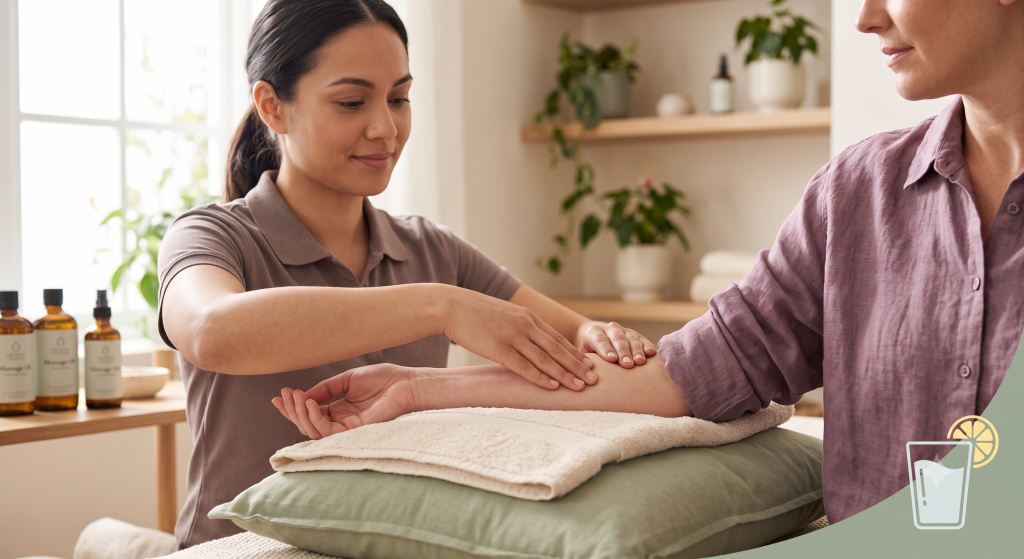
  • Gentle Manual Lymphatic Drainage (MLD): Light, rhythmic manual techniques clear pathway congestion and encourage trapped tissue fluid to drain back into circulation.

  • Releasing Mechanical Restrictions: Muscular tension or joint stiffness around the calves, pelvis, lower back, or diaphragm can restrict normal venous and lymphatic return. Releasing these structural blocks restores optimal circulatory flow.

  • Improving Joint & Muscle Mobility: Restoring full, pain-free movement to your ankles, knees, and hips helps your body’s natural “muscle pumps” work efficiently when you move.

An osteopath gently performing manual lymphatic drainage on a patient's arm resting on a sage green pillow to reduce summer fluid retention at Osteo & Therapy Hub in Chislehurst.

Beat Summer Swelling & Get Moving Again

If you are struggling with uncomfortable summer swelling, puffy hands, or heavy legs, professional hands-on care can help get your circulation flowing freely again.

Ready to feel lighter and more comfortable this summer?

Book an Osteopathy Assessment in Chislehurst & Sidcup Today or contact our team at 07474521329 to discuss how we can help.

Travel pain free Sidcup holiday ergonomics guide featured image woman in pool

Travel Pain-Free: The Ultimate Osteopath’s Guide to Holiday Ergonomics

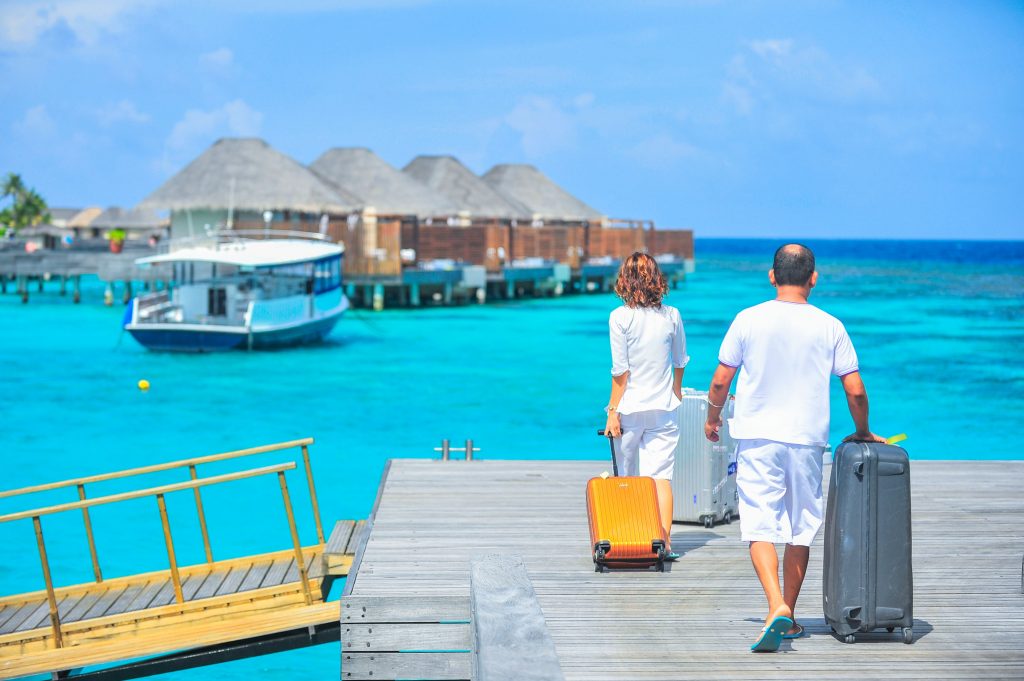
The bags are packed, the passport is found, and you are ready to head off on your summer holiday. But whether you are commuting from Sidcup Station to Heathrow, driving around the UK or boarding a long-haul flight, travelling can take a massive toll on your body. Long periods of sitting, heavy lifting, and awkward sleeping positions frequently lead to a post-holiday rush of neck pain, sciatica, and lower back stiffness at our clinic. To help you travel pain free from Sidcup, Jackie Gowland (Osteopath) at Osteo & Therapy Hub has distilled her top travel s.urvival tips

1. Pack a Joint “First-Aid Kit”

Toss a tube of anti-inflammatory gel (like Voltarol) and a few heat patches into your washbag. Catching a minor joint twinge or muscle spasm early stops it from turning into a full holiday flare-up.

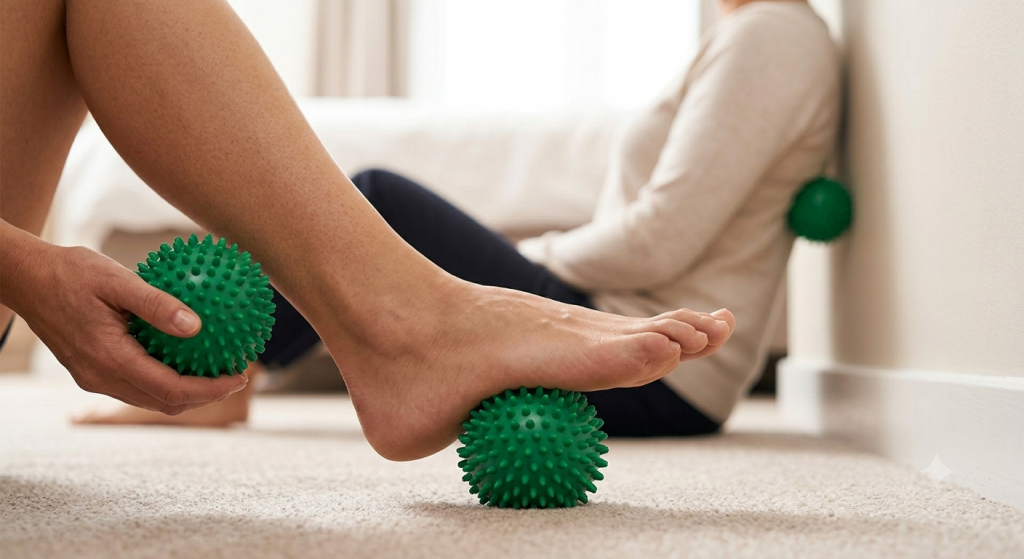
2. Pack a Spikey Massage Ball for Self-Treatment

This lightweight tool is perfect for rolling out tight knots on the go. Roll the arch of your foot over it to ward off plantar fasciitis, or lean against a wall with the ball pressed into tight spots in your glutes or upper back. For tips on how to use it, read our blog 

Using a spikey massage ball for travel self treatment

3. Luggage Logistics: Push, Don’t Pull!

If using a four-wheeled suitcase, push it alongside you instead of pulling it behind you. Pulling forces your spine into a prolonged twist, straining your lower back and shoulders. When lifting bags into overhead lockers, always bend your knees and keep the weight close to your chest.

How to push a four wheeled suitcase to prevent back pain

4. On the Plane: Support Your Spine & Circulation

  • Neck Pillow: A memory foam pillow prevents your head from dropping sideways, protecting you from severe neck stiffness.
  • Lumbar Roll: Place a rolled-up jumper behind the small of your back to maintain your spine’s natural curve.
  • Foot Alphabet: To boost circulation during long periods of sitting, lift your foot and “write” the letters A–Z in the air with your big toe to engage your calf muscles.

5. At the Resort: Ditch the Sun Lounger Marathons

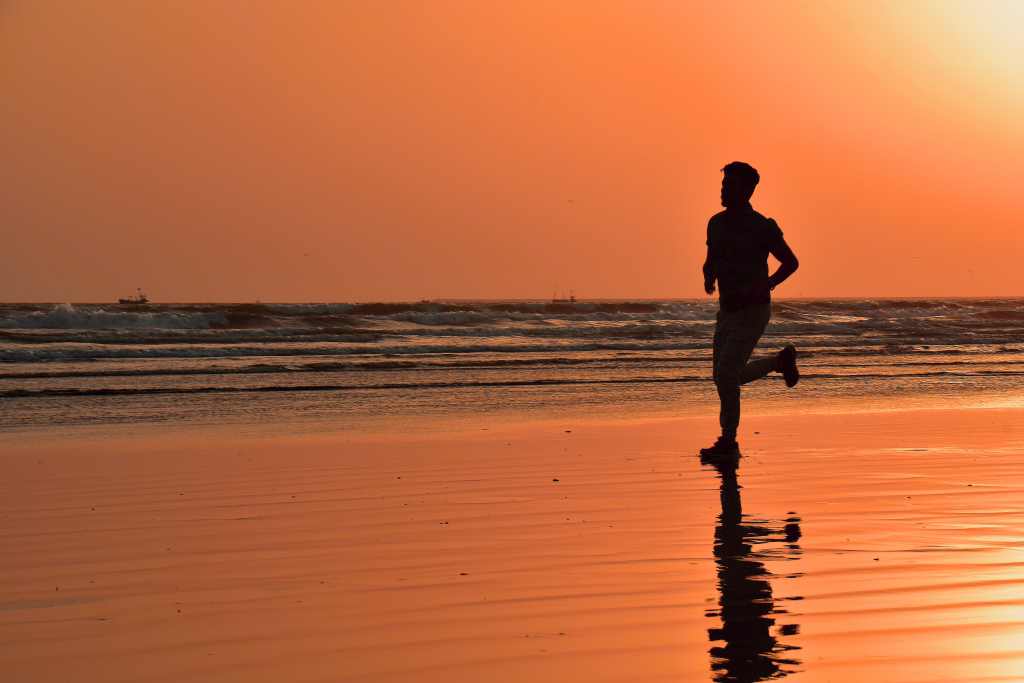
Lying semi-reclined for hours stiffens the lower back. Prioritise regular movement—make the most of the pool or sea! Swimming or wading takes the pressure off your joints while keeping muscles active. Or get out in to the beach and use it as your gym. Don’t forget your exercises that your Osteopath or Sports Therapist has prescribed to help with any injuries. 

Travel pain free Sidcup holiday ergonomics guide beach running at sunset

6. Trying New Sports? Stretch First!

Holiday activities like canoeing, hiking, beach volleyball or padel tennis use muscle groups that might have been dormant all winter. Avoid acute strains by stretching your calves, quads, and lower back thoroughly before and after playing.

7. Master the Hotel Bed (BYO Pillow!)

Counteract a mattress that is too soft or saggy by placing a spare pillow or rolled-up towel under your knees (if sleeping on your back) or between your knees (if sleeping on your side) to align your pelvis. Consider bringing your own orthopedic pillow from home.

8. Switch to a Backpack for Sightseeing

Single-strap or tote bags force your spine to curve laterally to compensate for the lopsided weight. Opt for a supportive, two-strap backpack instead, keeping the straps snug so the load is distributed evenly across both shoulders.

Travel pain free Sidcup using a supportive two strap backpack for sightseeing

9. Hydrate to Protect Your Spinal Discs

Low airplane humidity and hot climates rapidly dehydrate you. Your spinal discs need water to stay plump and absorb shock. Follow the NHS hydration guidelines and drink a small bottle of water every couple of hours to keep joint stiffness at bay.

Coming Home to Chislehurst? Book Your Post-Holiday Reset

If you are returning home to Sidcup, Chislehurst, or Bexley and find yourself struggling with travel aches, our expert team can help restore your mobility. You can easily check Jackie’s real-time availability and book your appointment online from anywhere in the world.

Book Your Osteopathy Consultation Online Today

Beat the Heat: Why Hydration Matters in the UK (and How to Master It)

By Osteo & Therapy Hub — Chislehurst & Sidcup

During UK heatwaves, hydration becomes essential for preventing headaches, muscle cramps and fatigue. At Osteo & Therapy Hub in Chislehurst & Sidcup, we regularly see how dehydration affects muscle function, recovery and overall wellbeing. When the weather heats up — especially on those humid British days — your body has to work harder to stay cool.

This guide walks you through simple, practical ways to stay hydrated, spot dehydration early and look after yourself when temperatures rise.

Why Hydration Matters in UK Heatwaves

Humidity in the UK makes it harder for sweat to evaporate, meaning your body has to work twice as hard to regulate temperature. This speeds up dehydration — even if you don’t feel particularly hot.

According to the NHS, thirst is a late sign of dehydration, so it’s important to drink regularly throughout the day.

Dehydration Warning Signs to Watch For

Keep an eye out for:

  • Dark, strong‑smelling urine (aim for pale straw)

  • Tiredness, dizziness or mild confusion

  • Dry mouth or lips

  • Lingering headaches

  • Muscle cramps in the arms, legs or stomach

These symptoms are common in hot weather and often improve quickly with proper hydration.

3 people hydrating in a park

Smart Ways to Stay Hydrated in Hot Weather

1. The “Little and Often” Rule

Your body can only absorb water at a certain rate (roughly 200ml to 250 ml every 20 minutes). If you down a massive amount of water all at once, most of it will just pass straight through you without properly hydrating your cells. Keep a reusable bottle next to you and take a few sips every 15 minutes.

2. Eat Your Water

Did you know that about 20% of our daily water intake typically comes from food? Add these water rich items 

  • Watermelon and strawberries: Over 90% water.
  • Cucumbers, celery, and tomatoes
  • Chilled soups like gazpacho 

3. Dress Up Your Water

If you find plain water boring, flavour it naturally

  • Cucumber and fresh mint
  • Lemon, lime, and ginger
  • Strawberries and basil

Refreshing, hydrating and perfect for British summer days.

4. Replace Your Electrolytes

When you sweat, you lose essential minerals like sodium, potassium, and magnesium. If you are drinking lots of pure water without replacing these salts, you can accidentally dilute your body’s chemistry, leading to cramping and fatigue.

  • Add a dash of high-quality squash to your water.
  • Mix a rehydration sachet or electrolyte tablet into one of your bottles.
  • Coconut water (in moderation)

5. Front-Load Your Hydration

 Mornings are generally cooler, making it much easier to comfortably drink a large glass or two of water. Start your day with 1-2 glasses of water, before coffee or breakfast. 

cucumber tomatoes water melon strawberries gazpacho to help hydration
Add to water, Cucumber and fresh mint or Lemon, lime, and ginger or Strawberries and basil

Hydration Mistakes to Avoid

Alcohol and heavy caffeine act as diuretics meaning they make you lose water faster.

Use the 1:1 rule: for every alcoholic or caffeinated drink you have, match it with a full glass of water.

Hydration FAQs

Q: How much water should I drink during a UK heatwave?

6-8 glasses (1.5-2 litre) of fluid a day. Fluid includes water, tea, coffee, milk, squash, juices, and even hydrating foods like fruit and vegetables — not just plain water.

Q: What colour should my urine be if I’m hydrated? 

Think pale straw. Dark yellow means you need to top up. 

Q: Are electrolyte drinks necessary in hot weather?
Not normally, however they may help if  you’re sweating a lot, exercising, or working outdoors. Otherwise, water is enough.

Q: Does coffee dehydrate you?

No — this is a common myth. Coffee and tea still count towards your daily fluid intake. Caffeine has a mild diuretic effect, but not enough to cause dehydration in normal amounts

Q: What are the early signs of dehydration according to the NHS?

Thirst, darker urine, tiredness, dizziness, dry mouth, headaches, or cramps.

How to Avoid Dehydration

  • Sip water regularly

  • Eat hydrating foods

  • Balance alcohol/caffeine with water

  • Keep an eye on vulnerable people (children, older adults, outdoor workers)


The Bottom Line

Staying safe during an English heatwave isn’t just about shade and fans — it’s about actively managing your hydration. By drinking steadily, eating water‑rich foods and recognising early signs of dehydration, you can enjoy the sunshine without the side effects.

If you’d like personalised guidance, our Nutritional Therapist Louise can help you optimise hydration and nutrition. For aches, pains or heat‑related muscle tension, Jackie — your local osteopath in Chislehurst & Sidcupis here to help.