Osteopathy & Care

How to Beat Summer Water Retention: Tips for Puffy Hands and Swollen Feet

When the warm weather hits Sidcup or Chislehurst, do your shoes suddenly feel tighter, or do your rings get trickier to remove? You’re not alone. Heat-related fluid retention—commonly known as heat edema—is a frequent issue during the warmer months.

Summer heat causes our blood vessels to dilate (expand), making it easier for fluid to seep into surrounding tissues and pool in our extremities—especially our ankles, feet, and hands.

While heat-related swelling is common and usually harmless, it can be deeply uncomfortable. Here is a practical guide to why summer swelling happens, how to manage it naturally at home, and how hands-on osteopathy in Chislehurst & Sidcup can support your recovery.

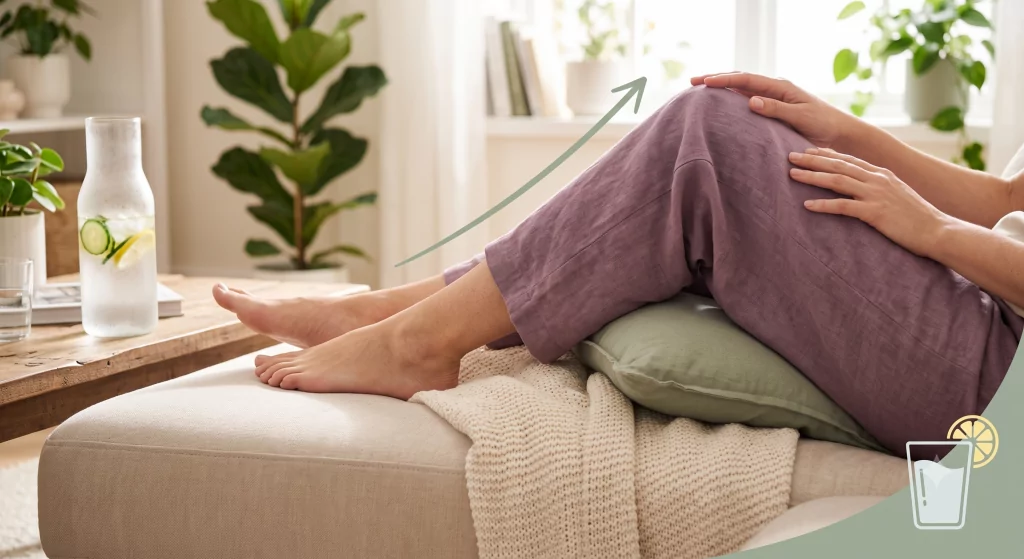
A person resting on a couch elevating swollen legs with a sage green pillow, demonstrating upward circulation and home water retention relief tips from Osteo & Therapy Hub in Sidcup.

A Quick Health Check First

Summer heat is a frequent trigger for mild fluid retention, but sudden, severe, or asymmetrical swelling (e.g., in only one leg) can indicate an underlying medical condition or a medication side effect. If you are pregnant, experiencing sudden swelling, or taking regular prescription medication, always consult your GP or primary care doctor first.

5 Practical Tips to Reduce Heat-Related Swelling

1. Track Your Personal Triggers

Before changing your routine, keep a simple 3-day symptom diary. Note down:

  • Daily weather & temperature: Pay attention to humidity spikes.

  • Food & drink intake: Look out for high-salt meals.

  • Medications or supplements: Note any timing patterns.

  • Symptom timing: Does swelling peak at the end of the day or after long periods of sitting?

Tracking these details helps pinpoint your personal triggers and highlights which habits offer the most relief.

2. Smart Dietary Tweaks to Lower Sodium

  • Cut Back on Hidden Salt: Excess sodium causes the body to retain fluid. Most sodium comes hidden in processed foods like canned soups, shop-bought bread, ready sauces, and cured meats. Opt for fresh, whole foods whenever possible.

  • Balance with Potassium: Potassium helps your kidneys flush out excess sodium and water. Great sources include bananas, avocados, sweet potatoes, spinach, oranges, fresh poultry, and plain yogurt.

  • Enjoy Naturally Hydrating Foods: Certain foods act as mild, natural diuretics. Add celery, cucumber, watermelon, asparagus, cabbage, parsley, and leafy greens to your summer diet.

3. Rethink Your Hydration Strategy

It sounds counterintuitive, but drinking more water helps reduce water retention.

When you get dehydrated, your body enters “survival mode” and holds onto every drop of fluid it can. Proper hydration signals to your body that it can safely release excess water and flush out trapped sodium.

Key Rule of Thumb: Aim for around 2 litres (or 8 cups) of fresh water daily. Keep a reusable water bottle with you when out and about in London or Chislehurst and Sidcup.

  • Watch the Diuretics: Coffee, black tea, and alcohol have a dehydrating effect. If you enjoy them, drink an extra glass of water alongside each beverage to offset dehydration.

4. Keep Fluid Moving Throughout the Day

  • Activate Your “Calf Pump”: Your calf muscles act as the primary pump returning blood and lymphatic fluid back up toward your heart against gravity. Aim for at least 20 minutes of daily movement, such as a brisk walk around your local area.

  • Avoid Prolonged Sitting or Standing: If you work at a desk in [City/Region], set a hourly timer to stand up, stretch, or perform 15–20 toe-raises.

  • Leverage Gravity: When resting, watching TV, or sleeping, elevate your feet on a few pillows above the level of your heart to encourage trapped fluid to drain out of your lower legs.

5. Supportive Natural Therapies

  • Targeted Self-Massage: Using a light carrier oil (like sweet almond or jojoba) blended with a few drops of essential oil (such as lavender, rosemary, geranium, or cypress) can soothe heavy legs.

    • Technique: Always stroke gently upwards from your ankles toward your knees and groin (in the direction of lymphatic flow).

    • Note: Always consult a professional before using essential oils if you are pregnant or managing health conditions.

  • Targeted Supplements: Nutrients like Vitamin B6, Magnesium, and Calcium play key roles in fluid regulation. Consult a healthcare professional such as our Nutritional Therapist – Louise Essex before starting supplements to avoid interactions with existing medications.

How Osteopathy Supports Fluid Drainage

While healthy home habits build a great foundation, hands-on physical therapy offers direct, targeted relief for persistent swelling and circulation issues.

At our Chislehurst & Sidcup clinic, our osteopathic care supports fluid movement throughout your vascular and lymphatic systems using a holistic, whole-body approach:

  • Gentle Manual Lymphatic Drainage (MLD): Light, rhythmic manual techniques clear pathway congestion and encourage trapped tissue fluid to drain back into circulation.

  • Releasing Mechanical Restrictions: Muscular tension or joint stiffness around the calves, pelvis, lower back, or diaphragm can restrict normal venous and lymphatic return. Releasing these structural blocks restores optimal circulatory flow.

  • Improving Joint & Muscle Mobility: Restoring full, pain-free movement to your ankles, knees, and hips helps your body’s natural “muscle pumps” work efficiently when you move.

Beat Summer Swelling & Get Moving Again

If you are struggling with uncomfortable summer swelling, puffy hands, or heavy legs, professional hands-on care can help get your circulation flowing freely again.

Ready to feel lighter and more comfortable this summer?

Book an Osteopathy Assessment in Chislehurst & Sidcup Today or contact our team at 07474521329 to discuss how we can help.

osteo

Recent Posts

Travel Pain-Free: The Ultimate Osteopath’s Guide to Holiday Ergonomics

The bags are packed, the passport is found, and you are ready to head off…

1 month ago

Beat the Heat: Why Hydration Matters in the UK (and How to Master It)

By Osteo & Therapy Hub — Chislehurst & Sidcup During UK heatwaves, hydration becomes essential…

2 months ago

Choosing the right therapist: Osteopath, Chiropractor, or Physiotherapist

Understanding the differences between osteopathy, chiropractic and physiotherapyPeople often ask what separates osteopaths, chiropractors or…

5 months ago

Seasonal Foot Pain

Foot Pain Seasonal foot pain often occurs as we move from heavier footware which is…

2 years ago

Laughter is the best medicine

Laugh more for your health “Laughter is a bodily exercise, precious to health.” – Aristotle We…
2 years ago

Spikey Massage Balls – Instruments of Torture

Spikey Massage Balls - Tools for Healing  When I show my patients the spikey massage…

2 years ago